The history of asbestos in construction
Asbestos was once hailed as a miracle material for its durability and fire-resistant properties, becoming a staple in residential and commercial building across the mid-20th century. While its structural advantages were widely recognized at the time, the health consequences associated with its use only became apparent after years of widespread occupational and domestic exposure. Today, many property owners are confronting the reality that these resilient materials remain embedded within their walls and utility systems.
When was asbestos most commonly used?
Construction practices relied heavily on the material from approximately the 1940s through the late 1970s. During this era, it was frequently incorporated into a vast array of building supplies due to its impressive heat tolerance. Builders often utilized these fibers in everything from thermal insulation on boilers to acoustic texturing on ceilings, making it an omnipresent component of the modern home structure until regulations began to tighten at the end of the 1970s.
Properties that made asbestos desirable for building
The mineral was prized for its high tensile strength and insulating capabilities, offering a cost-effective solution for fireproofing. Because it was chemically inert and resistant to electricity, it provided an asbestos in your home solution that was highly effective for shielding structures from potential damage. Builders trusted these qualities to protect the integrity of their projects for years without needing maintenance, not realizing the significant health hurdles these same materials would create for future generations.
Why older homes are the primary concern
Structures completed before 1980 often harbor these legacy building materials, which have now reached an age where they may start to degrade. Recognizing this reality serves as a house contains asbestos indicator, particularly for those living in vintage properties that have not undergone major renovations. As these materials deteriorate naturally over time, the risk of fiber release increases, making it necessary for homeowners to stay vigilant regarding the state of their building components.
Common locations of asbestos in older homes
Identifying hazards requires a systematic approach to surveying areas of a house where building contractors historically favored these materials. While many surfaces might look normal, their composition often hides a history that directly correlates with the construction techniques of the past. Homeowners should approach any suspected material with caution to prevent accidental disturbances that could compromise indoor air quality.
Insulation and pipe lagging
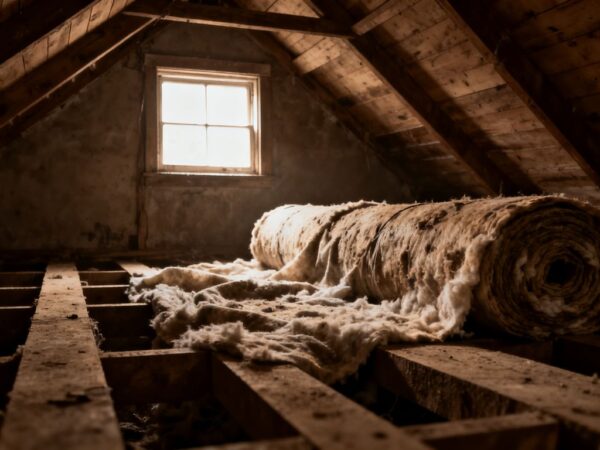
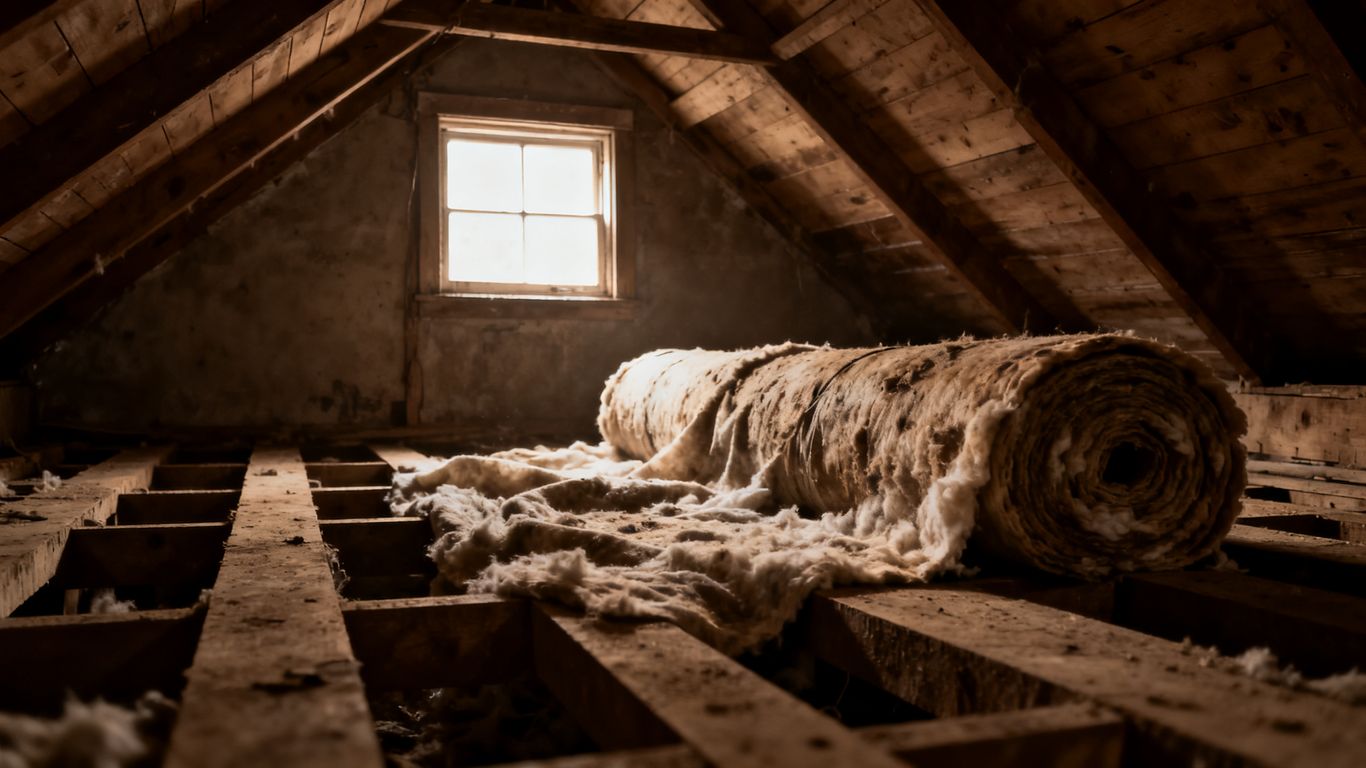
Attics and crawlspaces often hold remnants of thermal wrap that contain asbestos, especially around older plumbing components and furnace ducting. These materials were designed to hold heat within pipes, but as the aging material dries out, it becomes exceptionally brittle. Any direct physical contact or vibration in these spaces can cause the protective wrap to release small, invisible fibers into the stagnant air of the utility area.
Vinyl flooring and mastic adhesives
Vinyl tiles and the tar-like adhesives used to bond them to subfloors are frequent sites for finding embedded asbestos fibers. Homeowners often miss these when considering hazards because the tiles themselves often seem solid; however, the backing and the glue beneath them frequently contain the substance. Attempting to pry up flooring during a renovation frequently results in the material splintering or the backing becoming pulverized, creating a significant contamination pathway.
Ceiling textures and drywall compounds
Popcorn ceilings and thick joint compounds are prime suspects, as they were commonly treated with asbestos to achieve a specific finish or better fire resistance. These materials are inherently friable, meaning they can easily release dust if the surface is scraped, drilled, or damaged by impact. Over time, the settling of a house can also cause hairline cracks to form in these areas, potentially liberating microscopic fragments.
Roofing materials and siding shingles
Exterior walls and roof shingles often contain the mineral to enhance its resistance to weathering and fire exposure. When these materials remain intact, they generally pose a lower risk, but they still represent a potential hazard for those managing maintenance or repairs. The following list identifies specific exterior components that homeowners should monitor for significant signs of damage or wear:
- Cementitious shingles with cracked or broken edges.
- Weather-worn roofing felts appearing aged or brittle.
- Exterior insulation panels undergoing structural decay.
- Flashing materials around chimneys showing signs of degradation.
Observing these signs of thermal and structural wear is essential for proactive property management. Keeping exterior materials in good condition prevents potential fiber release due to severe weather erosion or accidental impact.
The mechanism of lung cancer risk
Understanding why these materials are considered hazardous involves looking at the microscopic interaction between inorganic fibers and human biological tissues. When inhaled, these needle-like structures can bypass the upper respiratory defenses and settle deep within the lungs. The body is unable to break down these fibers, leading to a persistent biological response that can eventually trigger cellular mutations.
How asbestos fibers reach the respiratory system
Once a material containing asbestos is disturbed—whether through cutting, sanding, or severe deterioration—tiny, sharp fibers become airborne. These particles are often invisible to the naked eye and can easily drift throughout a home, allowing residents to inhale them without realizing a hazardous condition has been created. The severity of the risk depends largely on the concentration of fibers and the nature of the airflow within the space.
The role of chronic inflammation in cellular damage
Persistent irritation occurs when fibers become lodged in the pleural lining of the lungs, where the body’s immune cells attempt, and fail, to engulf the material. This repeated cycle of inflammation and tissue repair acts as a catalyst for genetic damage to surrounding cells. Over years, this chronic condition can transform healthy tissue into malignant tumors, signaling the development of severe respiratory diseases.
The latency period after initial exposure
Cancer resulting from this exposure rarely appears immediately, typically following a latency period that can span decades. Because the disease often manifests 15 to 30 years after the initial interaction, patients frequently struggle to connect their current diagnosis to past environmental incidents. This significantly delays early detection and creates challenges for researchers studying long-term health outcomes.
Synergistic effects of smoking and asbestos exposure
Healthcare experts emphasize that the combination of tobacco smoke and fiber inhalation drastically multiplies the risk of developing lung cancer. Smoking interferes with the lungs’ natural cleaning mechanisms, making it even harder for the body to expel trapped fibers once they enter the respiratory system. The interaction between these two distinct carcinogens creates an environment where cells are exceptionally vulnerable to irreparable damage.
Evaluating your home for potential asbestos hazards
Determining the actual danger level of materials in a house requires expert oversight, as visual confirmation is rarely enough to rule out presence. Property owners must distinguish between surfaces that are shedding and those that are stable. A proactive, evidence-based approach is necessary to ensure that any decisions made regarding the home are grounded in factual assessment rather than guesswork.
Distinguishing between friable and non-friable materials
Friable materials are those that can be reduced to powder by hand pressure; these pose the greatest risk because they shed fibers into the air very easily. Conversely, non-friable materials are bound to a dense matrix, such as vinyl or cement, which prevents the immediate release of particles. While non-friable items are currently safer, they can become friable if they move into a state of physical degradation or damage.
Visual inspection limitations and reliability
It is inherently impossible for a property owner to definitively identify asbestos by sight alone. Although certain styles or textures can suggest a high probability, the actual mineral content can only be confirmed via microscopic analysis. Relying solely on visual cues or common industry lore often leads to dangerous assumptions, which is why professionals emphasize the necessity of formal laboratory testing.
When to perform professional laboratory testing
Testing becomes mandatory whenever a homeowner plans to perform repairs that will involve cutting, drilling, or scraping suspect surfaces. Implementation of stringent safety protocols is critical during home maintenance to avoid unintentional exposure for family members or workers. Before engaging in any renovation, obtaining valid results from a certified lab provides the necessary data to proceed safely and legally.
Understanding disclosure and inspection requirements
When selling or managing a property, owners must remain aware of local asbestos concerns and disclosure obligations. Providing an accurate history of a building’s materials is a cornerstone of responsible ownership. Prospective buyers and contractors have a right to understand the risks associated with the property, and transparency helps ensure that all future activities maintain the health and safety of the environment.
Safety protocols for homeowners and contractors
Managing materials that contain these fibers requires adherence to specialized procedures designed to contain dust and prevent cross-contamination. If a material is known or suspected to be unsafe, standard household cleaning methods like sweeping or vacuuming should be strictly prohibited. The focus must always remain on isolating the source while waiting for authorized intervention.
Implementing immediate containment measures
If damaged material is discovered, the initial priority is to restrict access to that specific area to prevent the disturbance of dust. Use heavy plastic sheeting or tape to seal off the space if possible, and shut down any local HVAC units that could circulate contaminated air throughout the rest of the dwelling. Doing so preserves the safety of other living areas until a professional can perform a proper assessment.
Why you should avoid DIY removal
Attempted removal by untrained individuals is a significant source of secondary contamination, as it often releases concentrations of fibers far higher than the original state of disrepair might have caused. Without the benefit of industrial-grade negative pressure enclosures and high-efficiency particulate air filtration, there is no way to safely capture these particles. Accessing mesothelioma attorneys for guidance on trust funds is often a secondary thought, but avoiding DIY work is primary for health preservation.
Professional abatement and decontamination processes
Certified abatement teams employ strict decontamination zones, protective gear, and specialized disposal protocols to handle hazardous building materials legally and safely. These teams often use wet methods to suppress fiber release and ensure that the surrounding environment remains compliant with safety standards. Proper health risk mitigation relies on this disciplined professional execution, which remains the best path for long-term safety.
Proper documentation for post-remediation safety
Following any abatement work, the home should undergo final air monitoring to confirm that all hazardous fibers have been successfully cleared. Keeping formal records of all inspection reports, lab results, and clearance test documentation is essential for future property transfers. This documentation provides a transparent account of the work performed, validating the ongoing integrity of the building for any future residents or renovators.